Global travel is undergoing an evolution. Many of the modern travelers are moving away from passive sightseeing to pursue value-aligned journeys that deliver cultural immersion, enrichment, and active engagement. For Indonesia, capturing the benefits of this transition requires targeted strategies that connect natural appeal with high-growth lifestyle drivers.
As highlighted in the Indonesia Muslim Travel Index (IMTI) 2026—jointly published by the Ministry of Tourism, Bank Indonesia, CrescentRating, and the Enhaii Halal Tourism Center (EHTC) – NHI Bandung Tourism Polytechnic—the archipelago is actively modernizing its tourism framework. By focusing on experiential travel niches, structured event calendars, and world-class sports tourism, Indonesia is unlocking sustainable economic value across both established hubs and emerging provincial destinations.
Accelerating Tourism with Targeted Strategies
To maintain long-term competitiveness and promote underexposed regional diversity, Indonesia has defined clear priorities within its national tourism development strategy:
Standard and Sustainable Tourism Development
Prioritizes high-quality, safety, and hygiene standards. This includes standardizing event management, enforcing Cleanliness, Health, Safety, and Environmental Sustainability (CHSE) protocols for local gastronomy, and expanding sustainability certifications to protect cultural and ecological assets.
Connectivity and Last-Mile Accessibility
Expands multi-modal transport links connecting primary entry gateways to the 10 Priority Tourism Destinations. Initiatives emphasize synchronizing transit schedules, integrating road, rail, and sea links, and opening alternative regional routes to encourage a balanced distribution of visitors across the archipelago.
Quality and Special-Interest Tourism
Emphasizes value-driven niches through dedicated programs such as Wonderful Indonesia Gastronomy (WIG) and Wonderful Indonesia Wellness (WIW), curating distinctive travel corridors for eco-friendly, nature, and adventure-based exploration.
Events by Indonesia
Elevates the international positioning of domestic festivals and business gatherings through platforms like Karisma Event Nusantara (KEN) and regional economic forums, turning cultural identities into global travel catalysts.
Tourism 5.0 Integration
Leverages artificial intelligence (AI), augmented and virtual reality (AR/VR), and Internet of Things (IoT) sensors to optimize operational efficiency and personalize guest experiences. This includes the rapid adoption of digital payment solutions like QRIS and integrated digital platforms across provincial destinations.
Event-Based Travel: The Era of the "Whycation"
A central behavioral trend examined in IMTI 2026 is the surge of purpose-led travel, commonly known as the "Whycation". Travelers—particularly Millennials and Gen Z—increasingly ask "Why do I want to go there?" rather than merely "Where should I go?" Industry data reveals that 68% of surveyed travelers actively seek local immersion, and 77% prioritize the quality of the travel experience over total trip cost, proving that journeys are viewed as avenues for self-discovery and cultural connection.
In Asia, scheduled events function as major travel triggers. For faith-conscious travelers, events infused with cultural or Muslim-friendly offerings add a layer of relevance:
Cultural and Trade Flagships: Large-scale events—such as the Indonesia International Halal Tourism & Trade Expo, Semarang Halal Fest, and national MTQ gatherings—provide visitors with an immediate reason to travel.
Gateways to Wider Destination Exploration: Rather than serving as isolated occasions, well-organized events may act as entry points that encourage travelers to extend their stays, explore regional heritage sites, sample local culinary traditions, and support community-owned businesses.
Sports Tourism: An Emerging Economic Driver
Sports tourism has expanded from a specialized niche into a powerhouse within the visitor economy, with global market value projected to surge from USD 609 billion in 2023 to USD 2.3 trillion by 2032. CrescentRating research shows that 75% of surveyed Muslim travelers have participated in sports tourism, and 76% report extending their trips for leisure vacations, demonstrating a capacity to generate extended room nights and broader destination spend.
Indonesia has increasingly positioned itself on the global sports stage:
World-Class Sporting Highlights: Events like the annual MotoGP Mandalika in Lombok combine international motorsport with beachside entertainment, while mass-participation events like the Jakarta Running Festival draw tens of thousands of domestic and foreign runners.
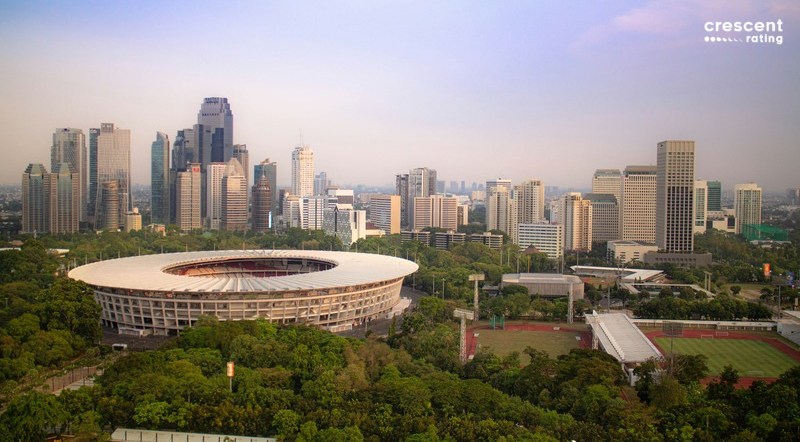
Regional Football and Stadium Tourism: Building on the momentum of major football fixtures hosted in the capital—such as the high-profile matches held at the Gelora Bung Karno stadium during regional tournaments like the ASEAN championships—sports events generate massive domestic mobility and draw regional fans from neighboring countries like Malaysia and Singapore.
However, some challenges remain, such as the need for stakeholders to ensure the availability of essential faith-friendly features, such as prayer rooms and Halal-certified food vendors within stadiums, and live prayer schedule reminders. The report emphasizes that for sports venues and host cities, providing these basic faith-compatible facilities directly eliminates traveler hesitation, turning stadiums, arenas, and race circuits into comfortable, welcoming environments for all attendees.
Converting Potential into Measurable Impact
The convergence of targeted national policies, purpose-led events, and high-impact sports tourism provides Indonesia with a powerful formula to sustain visitor growth. By integrating faith-friendly standards, digital connectivity, and community empowerment into these modern travel drivers, Indonesia continues to set the example for inclusive and world-class destination management.
To explore detailed data on provincial performance, ACES recommendations, and future travel trends, read the complete Indonesia Muslim Travel Index (IMTI) 2026 Report here.