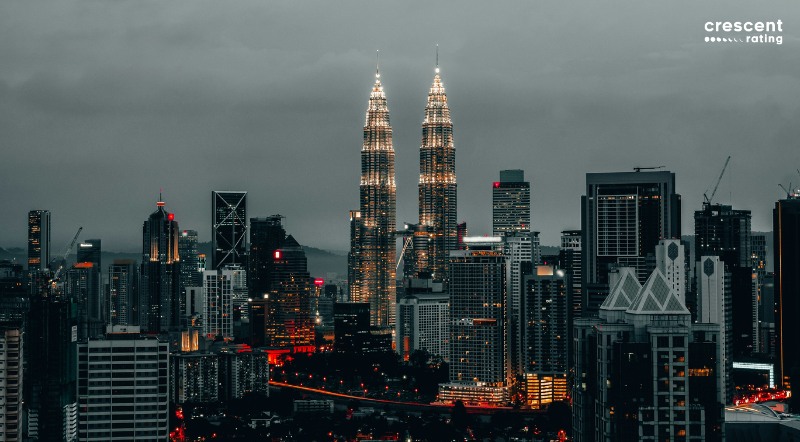
For 11 consecutive years, Malaysia has maintained an unbroken lock on the #1 spot in the Mastercard-CrescentRating Global Muslim Travel Index (GMTI) 2026. Commanding a global benchmark score of 83 out of 100, the country continues to outperform 150 other tourism ecosystems worldwide.

In addition to taking home the grand prize, Malaysia also secured top honors across specialized categories at the Halal in Travel Awards, placing #1 in Muslim-Friendly Accessible Destinations (OIC) and #1 in Muslim Women-Friendly Destinations (OIC).
While many destinations attempt to enter the high-yield USD 310 billion global Muslim travel market by introducing isolated hospitality tweaks, Malaysia’s enduring leadership rests on a different foundation: a comprehensive, government-led national ecosystem that seamlessly integrates faith-based needs into everyday life.
Here is an inside look at the strategic pillars, operational standards, and institutional frameworks that keep Malaysia at the pinnacle of global Halal tourism.
Institutional Leadership: The Role of the Islamic Tourism Centre (ITC)
Central to Malaysia's sustained success is the Islamic Tourism Centre (ITC), an executive agency under the Ministry of Tourism, Arts and Culture (MOTAC). Established in 2009, ITC was created specifically to research, guide, and standardize Muslim-friendly tourism and hospitality (MFTH) long before it became a mainstream global trend.
Rather than relying on informal or unverified claims, ITC established rigorous national assurance programs that provide travelers with total peace of mind:
Muslim-Friendly Tourism and Hospitality Assurance and Recognition (MFAR)
A national framework that audits and certifies hotels, travel agencies, and resorts. Certified establishments are evaluated not just on Halal dining options, but on room orientations (Qibla direction markers), bidets/water-friendly washroom amenities, prayer facilities, and privacy-conscious recreational services.
Muslim-Friendly Tourist Guide (MFTG) Program
To ensure cultural sensitivity extends to frontline interactions, Malaysia has trained and certified 365 specialized tourist guides who possess deep knowledge of Islamic history, local heritage, and guest etiquette.
Balanced Performance Across the ACES Framework
Malaysia’s score in GMTI 2026 reflects well-rounded capabilities across all four pillars of the ACES Framework (Access, Communication, Environment, Services).
Extensive Halal Gastronomy
Halal food assurance in Malaysia is non-negotiable. Supported by JAKIM (Department of Islamic Development Malaysia), Halal certification covers everything from street-food night markets and heritage hawker stalls to fine-dining establishments and international hotel chains.
Widespread Prayer Infrastructure
Beyond standalone mosques, dedicated Surau (prayer rooms) equipped with ablution (wudu) areas are universally available across shopping malls, highway rest stops, theme parks, airports, and exhibition centers.
High Safety & Faith Dignity
As a peaceful, multicultural, Muslim-majority nation, Malaysia offers an environment where Muslim travelers—especially solo female travelers and multi-generational families—can explore freely without encountering faith restrictions or dress-code prejudices.
Strategic Campaign Execution: Preparing for Visit Malaysia 2026
Malaysia is actively leveraging its Halal tourism infrastructure to drive ambitious national target goals. In the lead-up to the Visit Malaysia 2026 (VM2026) campaign, the government has set a target to welcome 10.3 million international Muslim arrivals (out of 47 million total visitors).
To achieve this, Malaysia is executing a multi-pronged global outreach strategy:
-
Targeting High-Growth Source Corridors: While Southeast Asia remains its core market (tapping into 274 million regional Muslims), ITC and Tourism Malaysia are actively expanding roadshows and sales missions across Central Asia, East Asia, Europe, and the Middle East (GCC).
-
Bilateral Cross-Border Recognition: Demonstrating global leadership, ITC recently signed a Memorandum of Mutual Recognition with Russia’s RusQuality, allowing both sides to recognize each other’s Muslim-friendly tourism logos and branding. Countries such as Sri Lanka, Taiwan, and the Philippines have also officially sought ITC’s technical guidance to build their own local frameworks.
-
Curated Segment Packages: Tourism boards are moving past monolithic tours by launching curated packages tailored specifically for Muslim women, digitally native youth, and wellness-focused families.
"Muslim-Friendly, Not Muslim-Only"
A defining philosophy behind Malaysia’s global appeal is its inclusive narrative. As expressed during official industry summits, Malaysia operates on the principle that its hospitality is "Muslim-friendly, not Muslim-only."
By combining modern, world-class tourism infrastructure—such as pristine rainforest eco-resorts, luxury shopping, and smart transport hubs—with universal values like cleanliness, safety, and family-centric care, Malaysia delivers an experience that appeals to faith-conscious travelers and mainstream global tourists alike.
Key Takeaways for Global Tourism Destinations
Malaysia’s 11-year streak offers three key strategic lessons for destinations worldwide:
-
Move from Checklists to Governance: Long-term success requires setting clear, government-backed hospitality guidelines (like MFAR) rather than relying on unverified business claims.
-
Train Frontline Personnel: Infrastructure is effective only when staff understand cultural nuances. Investing in certified tourist guides and hotel staff training transforms static availability into guest comfort.
-
Build Universal Appeal: Frame faith-compatible amenities—such as water-friendly washrooms, clear hygiene standards, and family-safe environments—as universal service enhancements that elevate the overall visitor experience.
Malaysia’s Example
Malaysia’s position at the top of the GMTI 2026 rankings is a reflection of intentional, multi-year ecosystem building. By uniting government policy, standardized accreditation, and authentic cultural hospitality, Malaysia continues to set the definitive benchmark for what it means to be a truly welcoming global destination.
Learn more about Malaysia’s consecutive top rank in the Global Muslim Travel Index 2026 report here.