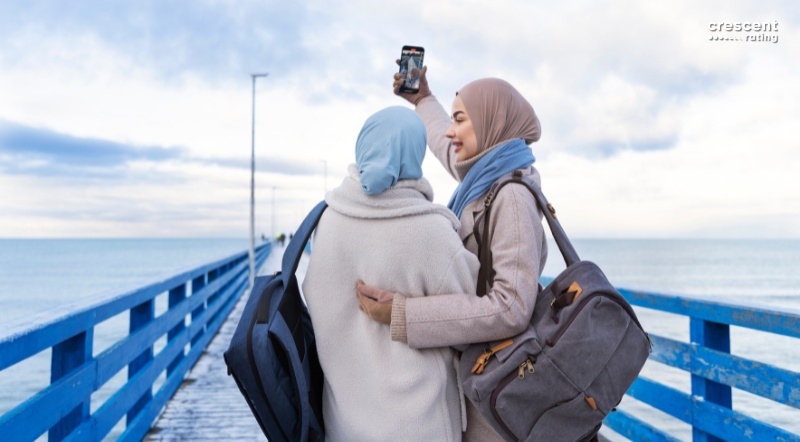
The global travel landscape is witnessing a powerful transformation led by one of its most influential segments. In 2025, it was estimated that 186 million international Muslim visitors contributed $210 billion to the global economy—a figure projected to rise to 245 million visitors and $235 billion within five years. Within this growth, Muslim women are playing a central role, now accounting for 48% of global Muslim visitor arrivals.
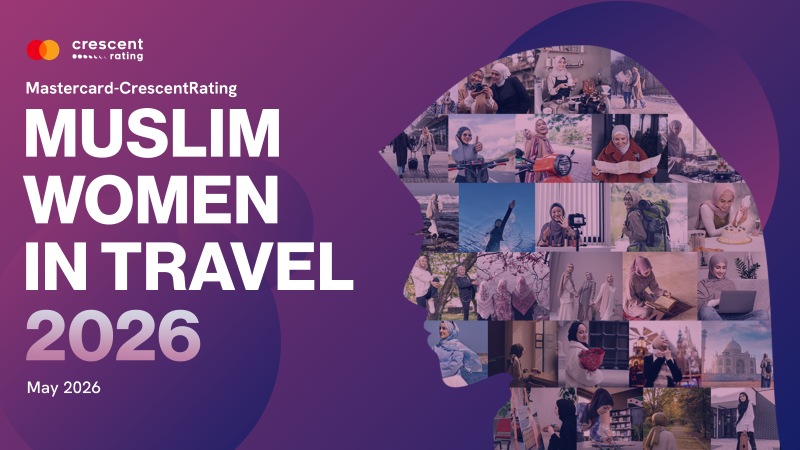
In commemoration of this Mother’s Day, the Muslim Women in Travel 2026 report is published to provide an actionable roadmap for the industry by synthesizing the collective intelligence of over 1,700 respondents and industry stakeholders. It aims to move beyond simple Halal labels to understand the nuanced realities of faith-based travel, ensuring that the future of tourism is safer, more inclusive, and deeply empathetic to the needs of Muslim women.
Understanding the Challenges: The PAINS Framework
To truly make travel safer and more accessible, we must first identify where the friction exists. The report utilizes the PAINS framework to categorize the five specific challenges Muslim women encounter:
-
Privacy: A core concern regardless of attire; many travelers face difficulties with facilities that lack adequate privacy or have restrictive dress codes.
-
Amenities: Faith-based needs, such as gender-segregated prayer spaces or wudu (ablution) facilities, are often overlooked or fail to cater to women specifically.
-
Identity: Beyond gender, Muslim women may face prejudice or stereotyping based on their faith expression, skin color, or ethnicity.
-
Networks: While travelers are eager to connect with local communities and shared-interest groups, finding these safe, verified networks remains a challenge.
-
Safety: This encompasses both general security and specific fears regarding the rise of Islamophobia, hate crimes, and prejudices against Muslim women.
Sustaining the Journey: The 3Es
While the PAINS framework identifies barriers, the 3Es framework represents the spiritual and emotional engines that drive Muslim women to travel:
-
Explore: The desire to discover new cultures and perspectives while remaining firmly aligned with personal values and faith.
-
Energize: Travel serves as a means of mental, emotional, and spiritual renewal, helping women recharge and reconnect with themselves.
-
Empathize: Deep satisfaction comes from engaging with local communities, fostering mutual respect, and experiencing a sense of shared humanity.
Designing for Diversity: Traveler Personas
Muslim women travelers are not a monolith. To improve their experiences, the industry must recognize these four distinct personas:
Faith-Centered Family Planners
In a family trip, the women are often the primary organizers and budgeters. This is even more apparent in religious travels. It is important to note that family travelers are one of the most popular travel patterns for women. Hence, to improve their trip, destinations must prioritize clean, female-friendly prayer facilities and family-oriented accommodation with child-friendly amenities.
Independent Solo Explorers
This is a growing segment of Muslim women travelers, often seeking autonomy and self-growth. When they travel alone, autonomy and safety are the two prioritized aspects. Attractions and accommodations must take note of this and provide digital tools for planning and navigation, and general safety and clear Muslim-friendly signals.
Sisterhood Social Travelers
Traveling in female-only groups, women here are focused on creating travel journeys shaped around shared comfort and social connection. To cater to this traveler persona’s needs, businesses can offer women-only spaces and facilities like spas, private beaches, and prayer spaces. Additionally, a social-friendly accommodation with bonding activities would further complement the trip experience.
Hybrid Multi-Mode Travelers
These are women who adapt their travel style depending on the context of the trip. Throughout solo, group, and family trips, they constantly adjust their roles from planning, coordination, to decision-making. For these women travelers, consistent Muslim-friendly standards across all touchpoints are primary. To ease their trip, accessible digital booking, e-wallet options, and seamless mobility are also needed.
Recommendations for the Industry
It can be understood that women have a primary role in travel decisions. To facilitate this and make travel experiences better for women including mothers, tourism stakeholders should focus on transparency and inclusivity. Key recommendations include:
-
Implementing transparent certification standards for Halal food and prayer facilities.
-
Leveraging AI agents to provide real-time safety assessments and localized alerts.
-
Fostering women-led initiatives, such as women-only beaches (as seen in Golden Sand Beach in Turkey) or female-led tours, which appeal to the 90% of female travelers who prefer women-led hotel environments.
Take the Lead in Inclusive Travel
The Muslim Women in Travel 2026 report is a call to action. Celebrating Mother's Day, the publication is a universal call to make the travel market friendlier and more facilitative for Muslim women. By understanding Muslim women travelers and addressing their travel challenges today, we can unlock the potential of tomorrow.
Download the full report here to discover how your destination can accommodate the needs of Muslim women travelers.