As the global Muslim travel market accelerates toward an estimated 262 million international arrivals and USD 310 billion in annual expenditure by 2030, destination readiness has outgrown the basic checklist of yesterday. Providing Halal food options and dedicated prayer spaces are now considered foundational baselines. For forward-thinking tourism boards and destination management organizations (DMOs), the strategic focus has shifted to institutional policy integration, regional capacity building, digital visibility, and clear communication.
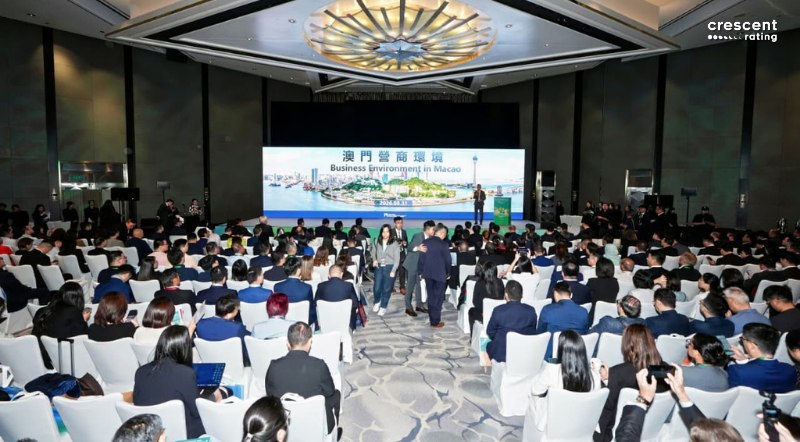
At the Halal in Travel Global Summit (HITGS) 2026, an executive panel titled “Attracting Muslim Travelers: Assessing and Accelerating Destination Readiness” explored how destinations are successfully capturing this market share.
The session convened three prominent tourism leaders representing sovereign, national, and provincial perspectives:
-
Mohammad Faisal Abu Suaib Khan, Director General of the Islamic Tourism Centre (ITC) Malaysia
-
Marta Fernández Martín, Director for Southeast Asia, Australia, and New Zealand at Turespaña (National Tourism Office of Spain)
-
Dr. Iendra Sofyan, Head of the Department of Tourism and Culture (Disparbud) of West Java (Jawa Barat), Indonesia
Malaysia’s Sovereign Blueprint: Building Ecosystem Trust and Policy Mandates
Malaysia has retained the undisputed #1 spot globally for 11 consecutive years in the Mastercard-CrescentRating Global Muslim Travel Index (GMTI). When asked what sustains this edge as the country prepares for the Visit Malaysia 2026 (VM2026) campaign—targeting 10.3 million international Muslim arrivals—Mohammad Faisal emphasized that leadership begins with foundational government policy rather than reactive adjustments.
Governance from the Ground Up
In Malaysia, Muslim-friendly infrastructure is embedded directly into statutory Development Orders and building approval regulations, ensuring high-standard prayer rooms (suraus) and water-friendly washroom amenities are mandatory across commercial buildings, transit hubs, and lifestyle developments.
MFAR (Muslim-Friendly Tourism and Hospitality Assurance and Recognition)
Developed alongside JAKIM and the Department of Standards Malaysia, ITC’s MFAR framework audits hotels, spas, travel agencies, and over 365 certified Muslim-Friendly Tourist Guides (MFTG).
Global Capacity Sharing
Positioning its standards as a global public good, ITC has signed memorandums of understanding (MOUs) and shared technical blueprints with international partners, including RusQuality in Russia, Taiwan, and the Philippines.
The "Muslim-Friendly, Not Muslim-Only" Philosophy
Mohammad Faisal reinforced that education is continuous to eliminate misconceptions: “Muslim-friendly does not mean Muslim-only. It is a universal standard of hygiene, comfort, and care that can be enjoyed by all visitors.”
Spain (Turespaña): Reframing Non-OIC Perceptions from Niche to Mainstream
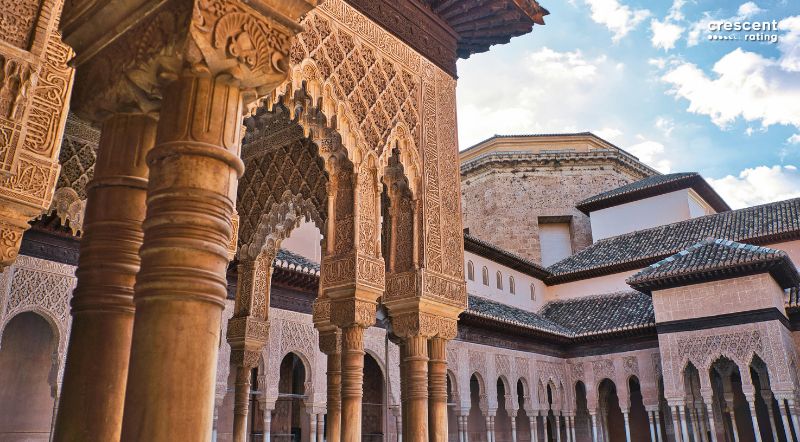
Spain has emerged as a top-tier European benchmark in the GMTI non-OIC rankings, capturing high-yield travel flows through its rich Andalusian Islamic heritage across cities like Córdoba and Granada. Marta Fernández Martín shared the primary insight and operational hurdles Turespaña encountered when adapting to the market.
“The thing that surprised me most when I began working with Muslim traveler markets three years ago was that they are actually not looking for a completely different offer.”
Marta continued with a profound statement, “That was an essential lesson: we must stop thinking about Muslim travelers as a narrow niche and start creating awareness among national, regional, and local stakeholders. Catering to Muslim travelers doesn't mean destinations have to invest massive amounts of capital; it’s about clearly communicating the services they already have, such as highlighting Halal dining options or nearby prayer spaces.”
West Java (Jawa Barat): The 5A Acceleration Strategy
While destinations like Aceh and West Sumatra are historically renowned for religious tourism in Indonesia, West Java (Jawa Barat)—a province of over 50 million people—surged to claim the #1 ranking in the Indonesia Muslim Travel Index (IMTI) 2025.
Iendra Sofyan explained how the province turned around its historical #6 ranking by launching comprehensive destination audits and introducing the provincial Smiling West Java Muslim-Friendly Tourism Awards. To institutionalize this growth, West Java deployed the 5A Strategy:
-
Administration: Fast-tracked licensing and formal assurance accreditations for hospitality managers and lifestyle venues.
-
Attractions: Diversifying nature, culture, shopping, and urban lifestyle assets beyond strictly religious sites.
-
Access: Leveraging Indonesia's first high-speed rail network (Whoosh), toll expressway connectivity, and modernized transit links.
-
Amenities: Upgrading prayer facilities, Halal culinary assurance, and family-friendly infrastructure across public parks and malls.
-
Advertising: Deploying AI-driven promotion and targeted digital campaigns mapped to regional traveler personas.
Strategic Imperatives for 2030: The Call to Action
To conclude the session, Tawfiq Ikhtianto asked the panelists for their primary call to action for private-sector operators, tech innovators, and DMOs looking toward 2030:
-
Unify Global Reference Standards: Faisal urged the international tourism community to collaborate on a single, transparent global database and unified verification portal, ensuring travelers can check accredited Halal offerings seamlessly worldwide.
-
Prioritize Stakeholder Education: Martín stressed that non-OIC destinations must proactively educate local businesses on market economics to dismantle outdated assumptions and accelerate commercial readiness.
-
Harmonize Cross-Border Regional Promotion: Sofyan called for deeper multilateral marketing partnerships across Southeast Asian destinations (such as joint Indonesia-Malaysia corridors) to invite global travelers to experience the region's interconnected Muslim-friendly heritage.
Learning from Successful Destinations
The success stories shared by Malaysia, Spain, and West Java prove that destination competitiveness in Muslim-friendly tourism is not defined by geographic location or religious demographics alone. It is achieved through intentional leadership: enacting supportive policies, creating transparent accreditation frameworks, and delivering authentic hospitality that welcomes travelers with dignity and trust.
Learn more strategy and success stories from the tourism boards representatives here.