The global landscape of tourism is experiencing a profound evolution as destinations outside the Organization of Islamic Cooperation (OIC) systematically upscale their visibility and structural readiness. Released this Thursday 18th June, the Mastercard-CrescentRating Global Muslim Travel Index (GMTI) 2026 reveals a dynamic shift among non-OIC territories.
Notably, the average score of the top 20 non-OIC destinations recorded a 1% index increase, signaling an intensive, global cross-border effort to refine services and build hospitality environments that are genuinely inclusive toward faith-conscious travelers.
Evaluating Countries Through the ACES Framework
To evaluate and benchmark all 150 destinations equitably, the GMTI utilizes the ACES Framework. This standardized, quantitative data model analyzes destination preparedness across more than 60 datasets spanning four core, weighted pillars:
-
Access (10%): Evaluates visa requirements, direct air connectivity, transport infrastructure, and border entry checkpoints.
-
Communication (20%): Assesses destination marketing campaigns, multilingual support assets, and the cultural awareness of local hospitality stakeholders.
-
Environment (30%): Measures general safety, the presence or absence of faith restrictions, basic utilities, and a structural commitment to sustainability and accessible travel.
-
Services (40%): Tracks the availability and quality of core faith-based needs, including Halal dining options, dedicated prayer places, adapted accommodations, airport transit spaces, and local heritage experiences.
The Top 20 Destinations Leaderboard
The 2026 non-OIC index standings reveal a highly competitive tier of destinations that have successfully aligned their local infrastructure with the requirements of Muslim travelers.

Strategic Analysis of Leading Non-OIC Destinations
1. Singapore (Non-OIC Rank 1 | Global Rank 10)
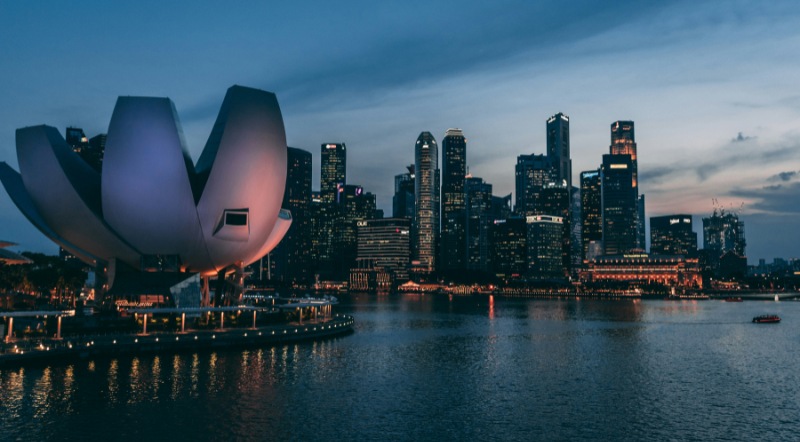
Singapore maintains its long-standing, absolute lock on the #1 non-OIC position—a benchmark standing it has defended consecutively since 2015. Holding the #10 rank globally, the city-state bridges its high-tech Changi SMART airport ecosystem with an incredibly vibrant Halal gastronomy sector and a solid commitment to the Singapore Green Plan 2030. By integrating sustainability into its tourism core alongside extensive certified food and prayer options, Singapore sets the global frontier for seamless Muslim-friendly travel.
2. Hong Kong (Non-OIC Rank 2 | Global Rank 20)
Hong Kong has successfully scaled its competitive posture to claim the #2 non-OIC rank following an expansive institutional campaign launched in 2024. Driven by the Tourism Board’s “Jelajah Hong Kong” initiative, the metropolis has deployed integrated digital portals that actively connect travelers to over 60 Muslim-friendly hotels and close to 220 Halal-certified restaurants. This transparency makes the city highly discoverable to digitally native consumer feeds.
3. Taiwan (Non-OIC Rank 3 | Global Rank 25)
Taiwan joins the third position on the leaderboard, a milestone that highlights an impressive 11-year upward trajectory within the index. This long-term commitment to capturing market share is visibly written into its infrastructure: as of 2026, over 450 local hospitality and dining establishments have been fully integrated into the island's Muslim-friendly ecosystem. Supported by the strategic “Salam Taiwan” digital campaign, the destination provides a highly secure foundation that allows travelers to explore with total confidence.
4. United Kingdom (Non-OIC Rank 3 | Global Rank 25)
The United Kingdom shares the joint #3 ranking, demonstrating strong resilience through its highly responsive urban transport networks, premium Halal-certified dining choices, and iconic infrastructure like the London Central Mosque. The UK’s primary differentiator remains its high score in the Heritage & Experience sub-pillar, allowing travelers to experience a smooth blend of historical exploration and modern luxury. However, the report indicates that a lack of targeted destination marketing and a slight dip in general safety metrics present immediate spaces for strategic optimization.
5. Thailand (Non-OIC Rank 5 | Global Rank 27)
Thailand displays outstanding resilience, maintaining its stable top-5 position on the non-OIC leaderboard. This long-term consistency is anchored by the deep integration of Halal amenities, extensive culinary networks, and welcoming prayer protocols that are embedded across its legacy tourism network over the decade. While recent fluctuations regarding its visa policies have drawn attention, Thailand remains a highly competitive, baseline favorite for multi-generational leisure travel.
6. Philippines (Non-OIC Rank 5 | Global Rank 27 | Score: 58)
The Philippines has emerged as a high-velocity market accelerator in Southeast Asia, registering the single highest index momentum shift across the entire leaderboard with a +5 score surge. This remarkable trajectory reflects a broad on-the-ground execution by the Department of Tourism (DOT), which spearheaded the deployment of targeted digital assets and specialized infrastructure frameworks across primary entry hubs like Manila, Cebu, and Davao. By structuring its faith-based offerings early in the upstream planning cycle, the country has significantly boosted its consumer discoverability.
7. Germany (Non-OIC Rank 7 | Global Rank 36)
Germany is rapidly maturing as a premier European destination, securing a shared 7th position. Major urban centers like Berlin, Frankfurt, and Cologne deliver an extensive array of Halal dining options, supported by over 2,500 local mosques and active domestic certification bodies. Germany has also significantly boosted its market visibility and consumer trust through its collaboration with HalalTrip to launch a dedicated and practical Halal Travel Guide.
8. Spain (Non-OIC Rank 7 | Global Rank 36 | Score: 53)
Spain solidifies its top-10 standing by highlighting the unparalleled Islamic history of its Andalusia region. Key cities like Cordoba and Granada offer structured Halal heritage tourism and customized faith-compatible amenities. To capture the global Muslim travelers, the Spanish Tourism Office also deployed specialized promotional roadshows and campaigns across the Middle East and Southeast Asia, publishing comprehensive regional guides, such as the Spain Halal Travel Guide, that allow travelers to explore without compromise.
9. Japan (Non-OIC Rank 7 | Global Rank 36 | Score: 53)
Japan maintains its top-10 foothold, defending its benchmark position for over nine consecutive years since its initial index debut in 2016. To sustain this competitive edge, Japanese tourism stakeholders have rolled out highly detailed digital maps and Muslim-friendly travel guides across Tokyo, Osaka, and Kyoto. These localized resources highlight a growing network of prayer facilities and certified local restaurants that skillfully mainstream Halal Washoku dining.
Strategic Analysis of Maturing Tourism Corridors
10. South Korea (Non-OIC Rank 10 | Global Rank 39)
South Korea demonstrated impressive upward mobility, scaling its position inside the top 20 rankings through targeted public campaigns. The country's main tourism appeal centers on a fascinating blend of modern K-culture and historic landscapes. By expanding on-ground Halal dining visibility and tailoring digital resources for tech-savvy travelers, South Korea has successfully minimized transit friction across its major transport nodes.
11. Australia (Non-OIC Rank 10 | Global Rank 39)
Australia remains a premier option, leveraging its immense natural beauty, unique wildlife, and clean urban settings. Its urban hubs possess a mature, long-standing multicultural infrastructure featuring diverse Halal options—aided by the fact that Australia is a premier global exporter of Halal meat—alongside a growing number of prayer facilities across major airports and key transit points.
12. South Africa (Non-OIC Rank 10 | Global Rank 39)
South Africa captures a solid position, supported by a large local Muslim community that has organically built a dependable Halal ecosystem. The destination combines thrilling wildlife safaris with high-quality, certified culinary experiences, allowing visitors to explore diverse landscapes—from Cape Town to game reserves—with complete peace of mind.
13. Russia (Non-OIC Rank 13 | Global Rank 44)
Russia enters the 2026 index as a strategic newcomer, reflecting concentrated investments to expand its local Halal travel services. Boasting historic Islamic heritage nodes in regions like Tatarstan alongside architectural wonders in Moscow and St. Petersburg, Russia offers an intriguing blend of cross-cultural experiences supported by an expanding framework of certified services.
14. Bosnia and Herzegovina (Non-OIC Rank 14 | Global Rank 45)
Bosnia and Herzegovina stands out as a highly competitive Southern European destination, offering a deeply authentic, faith-compatible environment. Characterized by its pervasive Ottoman-era architecture, historic mosques, and integrated Halal dining infrastructure, it serves as an affordable and safe haven for travelers seeking rich heritage without the premium price tags of Western European capitals.
15. Macao (Non-OIC Rank 14 | Global Rank 45)
Macao displays consistent and steady growth, driven by a world-class transport network and simplified, automated visa entry systems. Its travel appeal blends a unique Portuguese-Chinese heritage with high-end luxury infrastructure. Local tourism authorities have taken proactive steps to improve certified Halal options within major hotel zones to enhance consumer trust.
16. Ireland (Non-OIC Rank 16 | Global Rank 49)
Ireland secures its top-20 standing by offering exceptional landscape beauty, a safe travel climate, and standard-setting transport infrastructure. While still expanding its direct destination marketing toward Muslim source markets, its bustling urban hubs feature an increasing density of international Halal eateries and accessible student and community prayer centers.
17. Kenya (Non-OIC Rank 16 | Global Rank 49)
Kenya maintains a resilient and stable standing on the global leaderboard, operating as a primary destination anchor for eco-tourism and wildlife exploration in East Africa. Backed by a visible coastal Muslim history and welcoming local guiding networks, Kenya provides a naturally safe and reliable base for multi-generational groups seeking purposeful adventure.
18. Georgia (Non-OIC Rank 16 | Global Rank 49)
Georgia functions as an increasingly popular alternative destination, leveraging its proximity to the Middle East and highly favorable visa exemption policies. The country’s tourism appeal features breathtaking Caucasus mountain views, unique history, and safe walking districts, supported by an expanding grid of Halal-certified dining spaces in its capital city.
19. Mauritius (Non-OIC Rank 19 | Global Rank 54)
Mauritius successfully enters the top 20 non-OIC leaderboard following dedicated cross-sector investments in its island hospitality networks. The island destination blends white-sand luxury beach holidays with a highly safe environment and an integrated multicultural community, ensuring that premium resorts are well-equipped to handle the specific modesty and culinary needs of high-spending travelers.
Driving Value-Alignment and Sustainable Growth
The findings of the Global Muslim Travel Index 2026 indicate that non-OIC destinations are making profound structural strides toward inclusive travel design. By using the quantitative benchmarks of the ACES framework, destinations are moving past superficial promotional language to integrate real, on-the-ground data trust—such as verified e-visa access, digital maps, and certified single-gender wellness spaces.
As global travelers increasingly prioritize safe, predictable, and purpose-led itineraries, the non-OIC destinations that successfully communicate their verified infrastructure will hold a definitive competitive advantage. Ultimately, the future of the travel economy belongs to the operators who can harmonize high-quality leisure experiences with absolute, uncompromised respect for a traveler’s personal identity and faith values.
Explore comprehensive country profiles or map specific sub-pillar scores at the report here.