As the global Muslim travel and lifestyle economy expands toward 262 million international arrivals and USD 310 billion in annual expenditure by 2030, Muslim professionals, executives, and delegates are attending international business events, trade expos, and conventions in record numbers. Yet, across major global event venues—from Europe and the Americas to non-OIC hubs—a persistent operational gap remains between the demographic reality of who is in the room and how those spaces are designed.
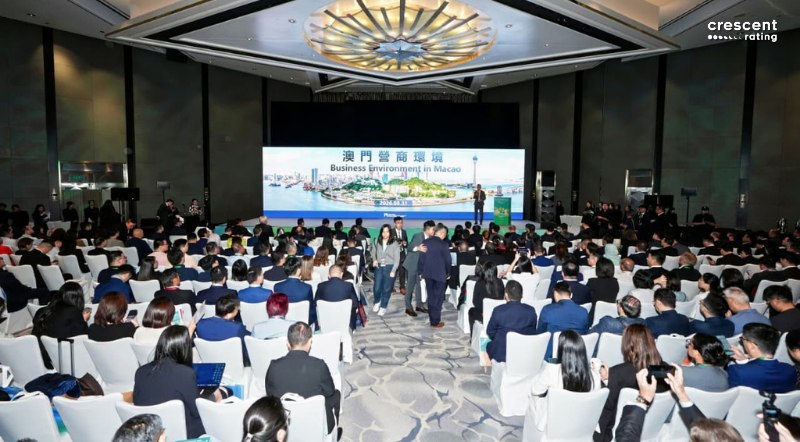
At the Halal in Travel Global Summit (HITGS) 2026, a panel titled “Integrating the Muslim Experience into Global Events” brought this issue to the forefront. The session featured two tech pioneers building the digital and physical infrastructure for Muslim professional life:
- Mamadou Ndiaye, Co-Founder & CEO of Wasabih, a professional networking platform for the global Halal economy.
- Abubakar Sheriff, Founder & CEO of Qariyb, a purpose-built event management platform for Muslim organizations.
Together, the panelists examined why faith-compatible event design must transition from an afterthought or special accommodation into a baseline standard of global event excellence.
The Current State: A Persistent Operational Gap
Opening the discussion, a fundamental question was asked to the panel: As Muslim professionals attend global business events in growing numbers, is the events industry keeping pace, or is there still a significant gap between who is in the room and how the room is designed?
Mamadou Ndiaye shared insights drawn from nearly a decade of attending and operating business expos across Europe, North America, and Asia:
“It’s always a shock, even until now, for me as a Muslim attending events—and also working inside events for the last nine years from Manila to Toronto. Most of the time, we are very surprised that the basic needs for Muslims are not taken care of when we attend business events, expos, conferences, and forums.”
Abubakar Sheriff agreed, noting that most global event venues currently handle faith-based requirements reactively rather than proactively:
“There is definitely still a huge gap where events taking place globally have a high percentage of Muslim attendees, yet their needs are still addressed reactively. There is no intentional design behind it.”
Niche to Normal: What Normalization Looks Like
The panel discussed how the events industry can shift the perception of Muslim-friendly design from a special niche requirement to a standard benchmark.
Mamadou cited the Malaysia International Halal Showcase (MIHAS) as an example of a massive event operating at global scale. Drawing over 50,000 attendees and 2,000 exhibitors from 100 countries, MIHAS operates not as a niche gathering, but as one of the largest B2B trade expos in the world.
At MIHAS, faith-conscious design is seamlessly integrated:
- Program schedules incorporate dedicated breaks aligned with daily prayer times.
- Dedicated, well-signposted prayer halls (Surau) with proper ablution facilities are provided.
- F&B networking functions are structured around Halal-certified catering without alcohol-centered networking environments.
Conversely, Mamadou shared a real-world example of cognitive friction experienced at an international event in London. Following a Halal trade expo, the event organizer hosted an executive networking dinner at a restaurant that served Halal-certified meat but operated an active, alcohol-heavy bar environment. While the food met technical dietary compliance, the overall atmosphere lacked the cultural comfort expected by delegates.
Reframing the Budget Conversation: Experience Over Accommodation
Addressing a common barrier raised by convention bureaus and venue operators that faith-friendly design adds extra operational costs or reduces sellable booth space, the panelists offered a strategic reframing:
From “Added Cost” to Return on Experience (ROE)
Abubakar Sheriff emphasized that venue operators must shift their mindset from simply accommodating an audience to optimizing total guest engagement:
“When attendees feel thoughtfully cared for, they are more fully engaged, stay longer, and are far more likely to return. These are operational design decisions that, if considered at the very beginning, make a massive positive difference in overall attendee retention and event yield.”
The Demand-Side Imperative
Mamadou pointed out that event organizers face intense pressure to sell exhibition floor space, making them hesitant to allocate square footage for prayer rooms or quiet areas. To drive systemic change, he urged corporate delegates and Muslim business consumers to actively voice their expectations:
- Upstream Inquiries: Corporate exhibitors and ticket buyers should inquire about prayer facilities, wudu (ablution) setups, and Halal F&B options prior to purchasing booth space or tickets.
- Post-Event Survey Feedback: Delegates must take time to complete post-event satisfaction surveys, explicitly noting where facilities succeeded or failed.
- Venue Accreditation: Convention centers and MICE venues should actively pursue specialized venue auditing and accreditation (such as CrescentRating’s venue rating programs) to demonstrate operational readiness to global event planners.
Concrete First Steps for Venue Operators & Event Planners
To conclude the session, both Mamadou and Abubakar shared the single most effective action that event organizers, venues, and convention bureaus can take today to begin welcoming Muslim delegates:
- Collect Audience Data Intentionally: Abubakar Sheriff urged organizers to integrate simple, respectful data collection into pre-registration workflows. Asking attendees for dietary preferences or facility requirements signals intentional care and provides organizers with precise data to plan F&B and space allocation.
- Leverage Dedicated Tech Platforms: Both speakers highlighted the role of technology in streamlining event discovery and networking. Platforms like Wasabih and Qariyb provide purpose-built digital environments where event planners can host, manage, and verify faith-compatible event logistics seamlessly.
- Engage Subject-Matter Experts Early: Venues should partner with specialized organizations to audit spatial layouts, train frontline venue staff, and ensure prayer space positioning and F&B logistics meet international standards before tickets go live.
Integrating More Inclusivity to Global Events
The clear takeaway from this HITGS 2026 panel discussion is that Muslim-friendly event design is waiting for a decision. The market has already moved, high-level Muslim decision-makers are already in the room, and the operational gap between current venue layouts and attendee expectations is far easier to bridge than the industry often assumes.
By embedding intentionality, wudu-friendly amenities, and cultural awareness into early event design, global venue operators can transform business events into inclusive, high-yield experiences for all.
Learn today on how to design global events to be more welcoming for Muslim attendees from the experts here.