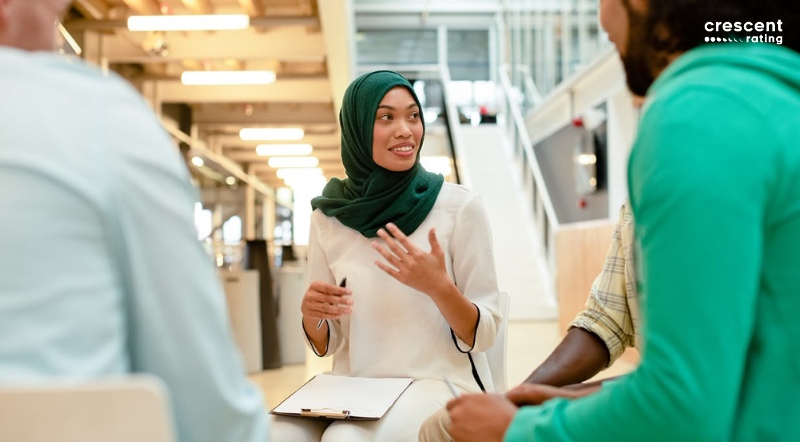
For decades, the global travel industry has viewed female Muslim travelers through a limited operational lens. Destinations and hospitality brands primarily treated this demographic as a passive consumer market to be served, focusing on basic amenities like Halal dining, prayer facilities, and modest leisure options. However, this narrow focus addresses only half the narrative. Today, Muslim women are increasingly stepping forward as strategy advisors, product developers, corporate executives, and travel decision-makers who are actively reshaping the global visitor economy.
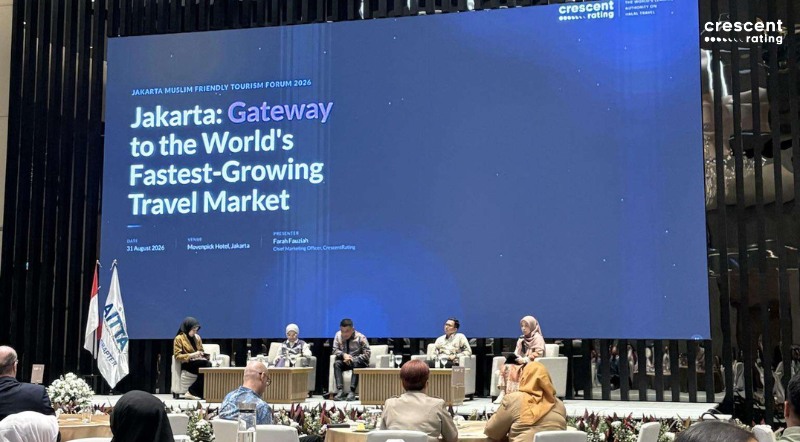
At the Halal in Travel Global Summit (HITGS) 2026, an executive panel titled “Power & Purpose: The Rise of Muslim Women Leaders in Global Travel” brought this dual role into focus. The session brought together Reem El Shafaki, Partner at DinarStandard and Raudha Zaini, Director of Operations at CrescentRating and HalalTrip, to examine both the growing economic footprint of female Muslim travelers and the urgent commercial mandate for female executive leadership.
The Scale of the Demographic Engine: From 45% to 48%
The panel opened by examining the latest quantitative data detailing the scale of female mobility. Grounded in insights from CrescentRating’s Muslim Women in Travel (MWIT) research tracks, Raudha Zaini highlighted the rapid expansion of this demographic:
-
Economic Scale: In 2019, Muslim women represented 45% of all global Muslim international arrivals. By 2025/2026, that figure expanded to 48%, representing approximately 90 million travelers.
-
Disproportionate Decision-Making Power: Beyond their sheer numbers, female travelers exert significant influence over trip planning, accommodation selection, and destination choice, particularly within family and group travel cohorts.
-
Multifaceted Identity: Modern Muslim female travelers carry complex, overlapping roles—navigating corporate settings, family responsibilities, solo exploration, and independent group travel. Delivering exceptional hospitality requires recognizing these fluid identities rather than relying on static travel packages.
The Fundamental Blind Spot: Leadership Gaps and Operational Realities
Despite controlling substantial travel spend, Muslim women remain underrepresented in senior executive roles and strategic decision-making forums across the tourism sector. Reem El Shafaki noted that while sectors like modest fashion and digital media have seen a rise in female Muslim leadership, the mainstream travel and tourism sector continues to lag behind.
This lack of representation directly impacts guest experiences. El Shafaki shared a personal experience from an international travel conference where event logistics staff lacked basic cultural awareness regarding the hijab while setting up audio equipment. She emphasized that even when invited as subject matter experts, female leaders frequently encounter operational environments that lack fundamental cultural literacy.
When female leaders do control destination design, however, the guest experience changes noticeably, as noted by El Shafaki below.
“If you have Muslim women as leaders, meeting Muslim women’s needs becomes second nature…..The resort's role wasn't just providing Halal food or family entertainment. It needed to be a place where women and families could relax without constantly worrying about compromising their values.”
The PAINS Framework: Addressing Unspoken Traveler Concerns
To help destinations and hoteliers look beyond baseline amenities, CrescentRating introduced the PAINS Framework. This diagnostic tool categorizes five critical touchpoints that dictate destination choice and guest confidence for Muslim women:
-
P (Privacy): Dedicated modest recreational zones, single-gender wellness facilities, and uncompromised room privacy.
-
A (Amenities): Readily accessible prayer spaces, water-friendly washroom installations, and family-tailored services.
-
I (Identity): Navigating intersectional biases (gender, faith, ethnicity) and fostering inclusive, non-discriminatory environments.
-
N (Networks): Seamless access to trusted local communities, authentic heritage experiences, and peer recommendations.
-
S (Safety): Proactive physical security, psychological comfort, and freedom from street harassment or Islamophobia.
El Shafaki emphasized that destinations must deliver pre-trip reassurance across these five areas. Modern travelers should not have to piece together fragmented information from informal messaging groups or unverified online reviews to evaluate whether a destination is safe and welcoming.
Authentic Representation and the Power of Real Stories
The discussion also highlighted the role of organic digital storytelling in shaping travel confidence. Raudha Zaini noted that young Muslim travelers rely heavily on visual social media platforms like Instagram, YouTube, and TikTok for destination discovery.
“Today, social media content creators play a huge role. Creators who are unafraid to travel and share real journeys inspire young Muslim women. We want to see more Muslim women in positions of leadership so they can positively influence the next generation.”
However, the panelists stressed that digital marketing must move past superficial imagery. True representation requires featuring diverse voices across various regions, ethnicities, and backgrounds to reflect the genuine variety of the global Muslim community.
The Strategic Mandate: Co-Designing Travel from Day One
To wrap up the session, the moderator asked each panelist to identify one fundamental change that would have the greatest long-term impact on the industry:
Include Women in the Initial Design Phase
Reem El Shafaki urged hospitality groups and tourism boards to include Muslim women in product development and boardroom planning from the very beginning. Building privacy, safety, and cultural considerations directly into property architecture and master plans is far more effective than trying to retrofitting existing spaces later.
Embed Systemic Inclusion into Policy
Raudha Zaini called for a structural shift that embeds safety, dignity, and cultural understanding into core corporate guidelines and service protocols across the travel timeline, ensuring that faith-conscious travel requirements are treated as standard operational priorities rather than reactive additions.
Shaping the Future of Global Mobility
Fully unlocking the potential of the Muslim travel market requires recognizing women not only as influential consumers, but as essential architects of the travel experience. By appointing Muslim women to leadership positions, designing spaces around privacy and safety needs, and embedding cultural intelligence into daily operations, global destinations can build inclusive, future-ready travel ecosystems for all Muslim women.
Be aspired to and learn from Muslim women leaders in the travel industry here.